The 3 Pillars Of Fingerpicking Guitar
by Simon Candy
 If you've ever felt like your fingerpicking guitar practice is all over the place, you're certainly not alone.
One week you're learning a new picking pattern. The next you're working on a song. Then you watch another lesson on technique and wonder whether you should be practising that instead.
You put in the time, but after a few weeks it can feel as though nothing is really coming together.
The problem usually isn't a lack of practice.
It's a lack of structure.
Improving your fingerpicking isn't simply about practising more. It's about understanding how the different parts of your playing support one another.
Once you have a simple framework, your practice becomes more focused, less overwhelming and far more productive.
I like to think of fingerstyle guitar as being built on three essential pillars:
- Technique
- Repertoire
- Creativity
Each one strengthens the others, and together they provide a clear path towards becoming a more confident and musical player.
Watch the video below to learn more:
Pillar 1: Build Fingerpicking Technique That Serves the Music
Every good player needs solid fingerpicking technique, but technique should always serve the music, not become the goal itself.
It's not about becoming fast or flashy. It's about making your playing feel comfortable, efficient and expressive.
That starts with the fundamentals.
A relaxed picking hand, good tone and economical movement make fingerpicking much easier. Rather than making large, unnecessary movements, aim to use only the amount of motion needed to produce each note cleanly.
Thumb & Finger Independence
One of the most important skills you'll develop is independence between your thumb and fingers.
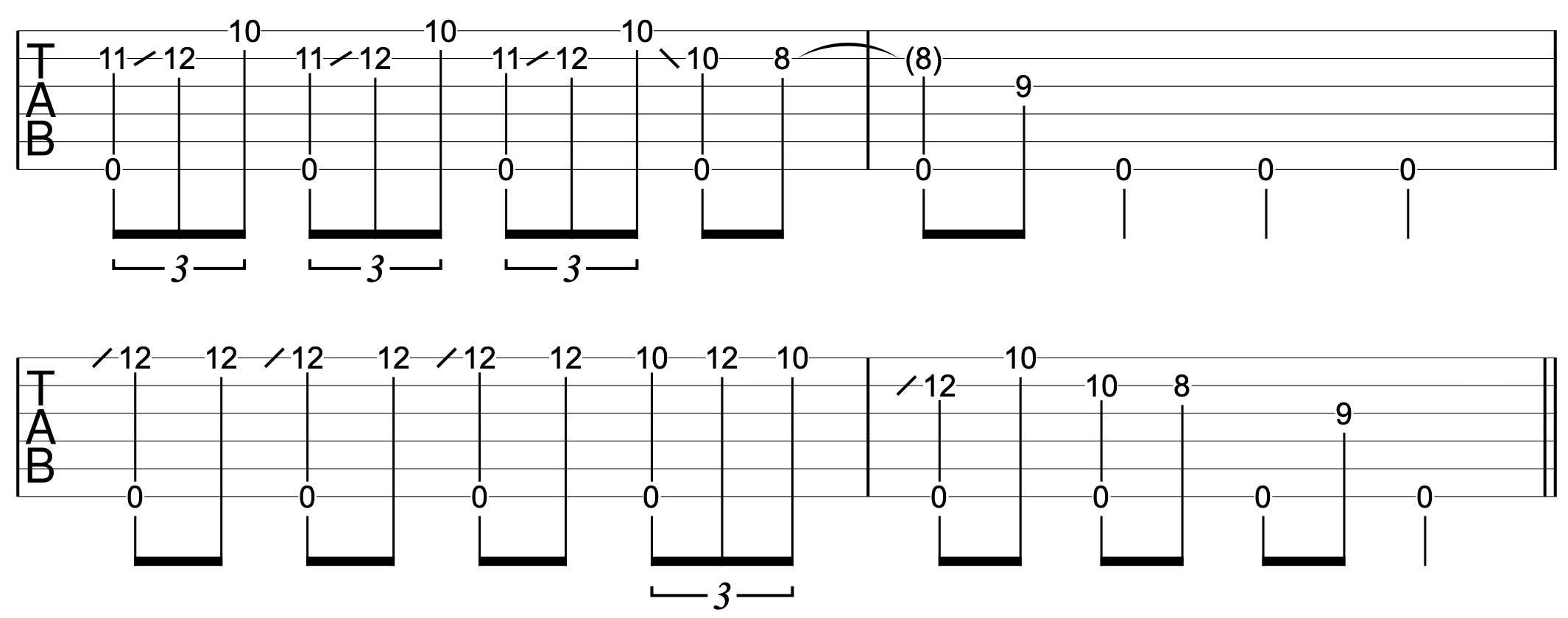
Your thumb often provides a steady pulse while your fingers play melodies, harmony or rhythmic ideas above it.
At first this can feel like trying to rub your stomach while patting your head.
With consistent practice, however, it gradually becomes second nature.
For example, check out the passage of music below. Your thumb is playing a steady quarter note rhythm on the beat while your fingers are playing lines on top:
Fingerpicking Patterns
Learning fingerpicking patterns guitar players commonly use is another important part of developing technique.
Patterns aren't simply exercises to memorise. They develop coordination, timing and control while also giving you practical ways to accompany songs.
Simple patterns provide an excellent foundation, while Travis picking develops thumb independence, rhythmic confidence and overall musical control.
Here is an example of a basic travis picking pattern applied to an 8 bar blues in E:


Remember, technique isn't the destination. It's simply the tool that allows you to express your musical ideas more naturally.
Watch the video above for more examples and detailed breakdowns of thumb & finger independence and fingerpicking patterns.
Pillar 2: Build a Repertoire You Can Actually Play
Many guitarists spend years learning songs.
Surprisingly few build a genuine repertoire.
Instead, they learn one song...
Forget it...
Then move on to another.
The result is that they always know one song reasonably well, but very few they can confidently sit down and perform from beginning to end.
A much more productive approach is to think of your songs as a living repertoire.
I like dividing them into three simple categories:
- Current songs — songs you can confidently play today.
- Past songs — songs you've learned before but would need to refresh.
- New songs — pieces you're currently learning or planning to tackle next.
Your goal is gradually to move songs into the Current category while revisiting older material often enough that it doesn't disappear completely.
Not every song has to stay performance-ready forever.
Songs naturally move between these categories over time, and that's perfectly normal.
The important thing is that you're always building a collection of music that's ready whenever someone says, "Play me something."
Rotate Your Practice for Better Progress
One of the easiest ways to improve fingerpicking guitar skills is to rotate your practice instead of spending weeks focused on a single piece.
One session might concentrate on learning part of a new song.
The next could involve refreshing an older favourite while continuing to make progress on the new one.
Another session might simply be about playing through songs you already know so they remain comfortable and enjoyable.
This simple rotation keeps your repertoire growing while preventing older songs from fading away.
Just as importantly, it keeps practice interesting.
When every session has a slightly different focus, you're far more likely to stay motivated over the long term.
Pillar 3: Creativity Comes from Connecting Ideas
Many players believe creativity is something you're either born with or you're not.
Fortunately, that simply isn't true.
Most musical creativity comes from taking ideas you've already learned and using them somewhere new.
Perhaps you've discovered an interesting fingerpicking pattern.
Maybe you've learned a bass line, a small fill or a rhythmic idea that really suits your playing.
Instead of leaving those ideas inside one song, start experimenting with them elsewhere.
Try using a favourite picking pattern over a simple blues progression.
Borrow a bass movement from one arrangement and see how it sounds in another.
Take a fill you've learned and adapt it to fit a completely different piece.
You don't have to invent everything from scratch.
In fact, most creative playing grows from combining familiar ideas in fresh ways.
Curiosity is often far more valuable than natural talent.
Simply asking, "What happens if I try this here?" can lead to surprisingly musical discoveries.
For example, the following is a little blues piece I put together combining some of the ideas from the various parts of this lesson:
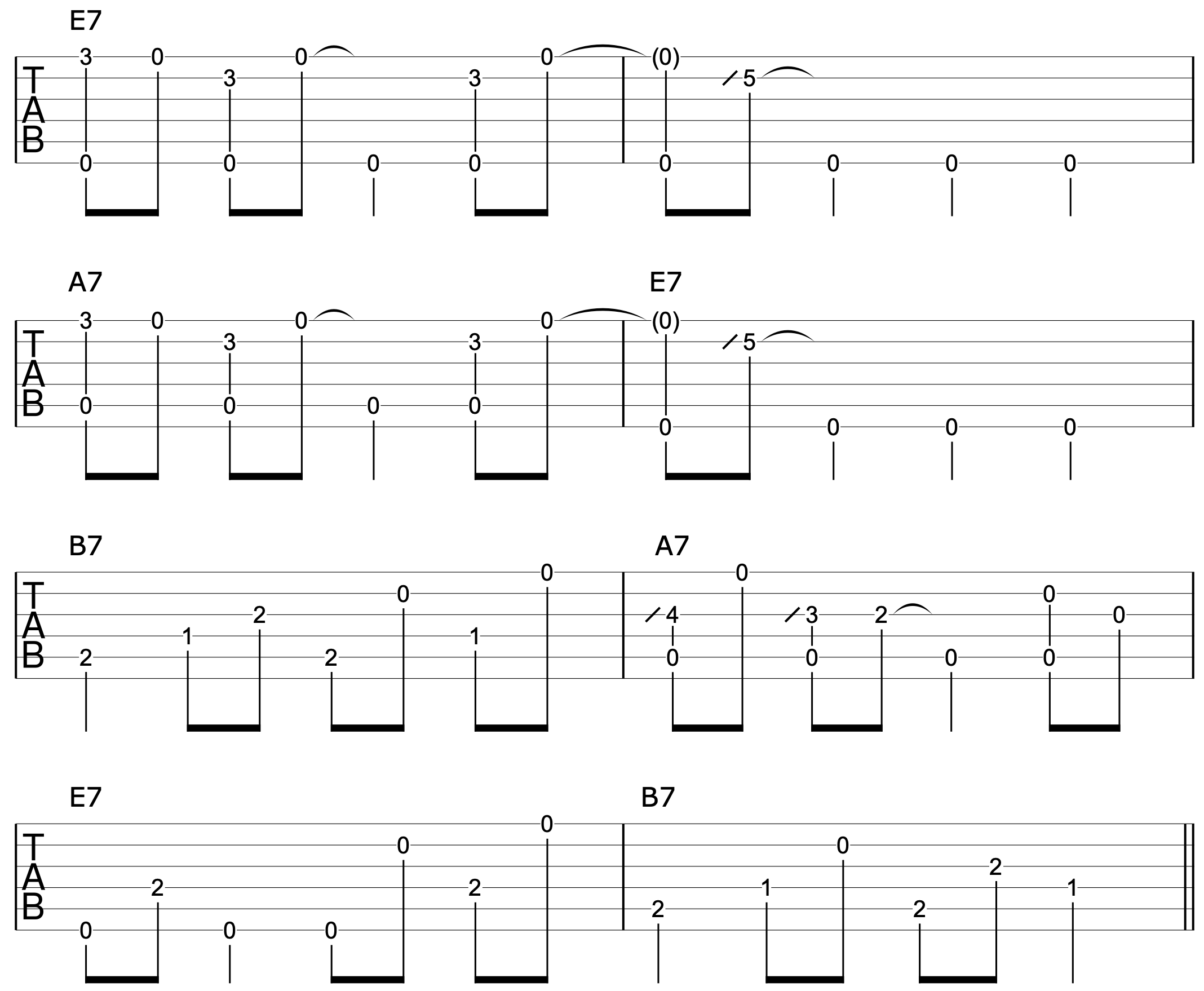
It is essentially made up of riffs against a steady bass from the thumb & finger independence section as well as some travis picking.
Watch the video above for more examples and detailed breakdowns applying ideas to oyur own playing and becoming more creative as a result.
How the Three Pillars Work Together
The real strength of this approach is that none of these pillars exists on their own.
Each one supports and strengthens the others.
Good technique gives you the ability to learn more songs comfortably.
Those songs gradually become your repertoire.
Your repertoire then provides musical ideas that inspire creativity.
And as your creativity grows, you'll naturally discover technical skills you'd like to develop further.
Instead of practising random exercises that never seem connected, everything begins working towards the same goal.
Every exercise has a purpose.
Every song teaches more than just itself.
Every new musical idea becomes something you can reuse somewhere else.
This creates a much more enjoyable and rewarding way to practise.
Frequently Asked Questions
What is the best way to learn fingerpicking guitar?
Start by building a solid foundation of technique, learn songs you enjoy, and regularly revisit them. Combining technique, repertoire and creativity leads to much faster long-term progress than focusing on exercises alone.
How long does it take to become good at fingerpicking?
It depends on how consistently you practise, but most players notice steady improvement when they follow a structured practice routine and focus on musical skills rather than speed alone.
Should I practise fingerpicking patterns every day?
Yes. Even a few minutes spent practising common fingerpicking patterns helps improve coordination, timing and thumb independence. The key is to apply those patterns to real songs as soon as possible.
Why does my fingerpicking sound stiff?
Stiffness is often caused by unnecessary tension or focusing too much on the mechanics of playing. Relaxing your hands, improving your timing and playing complete songs will help your playing sound more natural.
Is learning songs more important than practising technique?
Both matter. Technique gives you the ability to play songs well, while songs teach you how to use that technique musically. The best progress comes from balancing both.
Other Lessons You Might Like
Explore these related lessons to continue building your guitar skills:
Build a Lasting Guitar Repertoire
Learn a practical system for keeping songs performance-ready instead of constantly forgetting what you've learned.
Improve Your Picking Hand Position
A comfortable picking hand makes fingerpicking easier, improves tone and helps reduce unnecessary tension.
Speed, Fluency and Accuracy Drills
Develop cleaner, more controlled fingerpicking with exercises that improve coordination without sacrificing musicality.
Expand your collection of useful fingerpicking patterns and learn how to apply them to real songs.
Fundamental Fingerpicking Techniques
Master the essential skills every fingerstyle guitarist needs before moving on to more advanced arrangements.

The Ultimate Beginner Fingerpicking Guitar Course
Follow a structured step-by-step programme that helps you build technique, learn songs with confidence and become a more musical fingerstyle guitarist.