5 Easy Ways To Play Up The Fretboard
by Simon Candy
 If your guitar playing feels stuck or a bit “same same,” it’s probably not your technique.
More often, it’s because everything is happening in the same area of the guitar, usually the open position.
There’s nothing wrong with open chords, but if you stay down there all the time, your playing can start sounding predictable.
The good news is you don’t need advanced theory or deep fretboard knowledge to break out of that.
You just need a few simple ideas that help you move chord shapes, create different textures, and musically explore more of the neck.
Watch the video below to learn 5 simple ways to play guitar up the fretboard and instantly make your playing sound more expressive and interesting.
1. Move Open Chord Shapes Up the Neck
One of the easiest ways to break out of the open position on guitar is to take familiar open chord shapes and move them higher up the neck.
For example, instead of playing a progression like C–D–F–G entirely in the open position, you can keep the same basic shape and slide it upward, like so:

As you do this, the open strings continue ringing throughout, creating richer and more colourful sounds.
That’s what makes this approach so musical.
You’re creating a different texture and mood while still using shapes you already know.
This is also a great way to become more comfortable using chord shapes up the neck without feeling overwhelmed.
Here is another example using the D open chord shape:

And one more using the E open chord shape descending the neck of the guitar:

Watch the video above for a detailed breakdown of each example above.
2. Play Scales on One String
Another simple way to play guitar up the fretboard is to use a single string.
The moment you do that, you naturally start moving beyond the open position.
For example, instead of playing a C major scale across multiple strings, try playing it entirely on one string, like so:

Immediately, the neck starts feeling more connected visually.
But the real magic happens when you combine those notes with open strings:

Suddenly, you’re no longer just practising a scale.
You’re creating flowing, musical patterns that sound surprisingly expressive and atmospheric.
This is one of the best simple fingerpicking ideas for developing:
- Better fretboard awareness
- Musical phrasing
- Creativity
- More fluid movement around the neck
- And importantly, it sounds like music rather than an exercise.
Watch the video above for more examples of this approach, complete with detailed breakdowns.
3. Use Bar Chord Shapes Without Fully Barring
A lot of players avoid bar chords because they feel physically difficult.
But here’s a useful trick:
You can often use the shape of a bar chord without actually barring the entire chord.
Instead of flattening the index finger across the strings, simply fret the root note and allow the open strings to ring through.
Here is an example of what I am talking about:

This creates a much more open and spacious sound.
It also makes moving chord shapes up the neck much easier and more comfortable.
The open strings naturally add colour to the chords, which helps your playing sound fuller and more expressive without needing any theory knowledge.
This works especially well for fingerpicking guitar because the ringing open strings help create a flowing sound.
Watch the video above for more examples of this approach.
4. Use 6th Harmony for More Movement
If you want to sound more musical on guitar, 6th harmony is one of the nicest ways to do it.
The idea is very simple.
Instead of playing full chords, you pull out two-note shapes from inside the chord and move them around the neck.
These small shapes create melodic movement while still outlining the harmony underneath.
The result sounds expressive, smooth, and very musical.
You can think of 6th harmony almost like a second guitar part sitting on top of the chords.
Here is an example of this across an 8 bar blues in A:
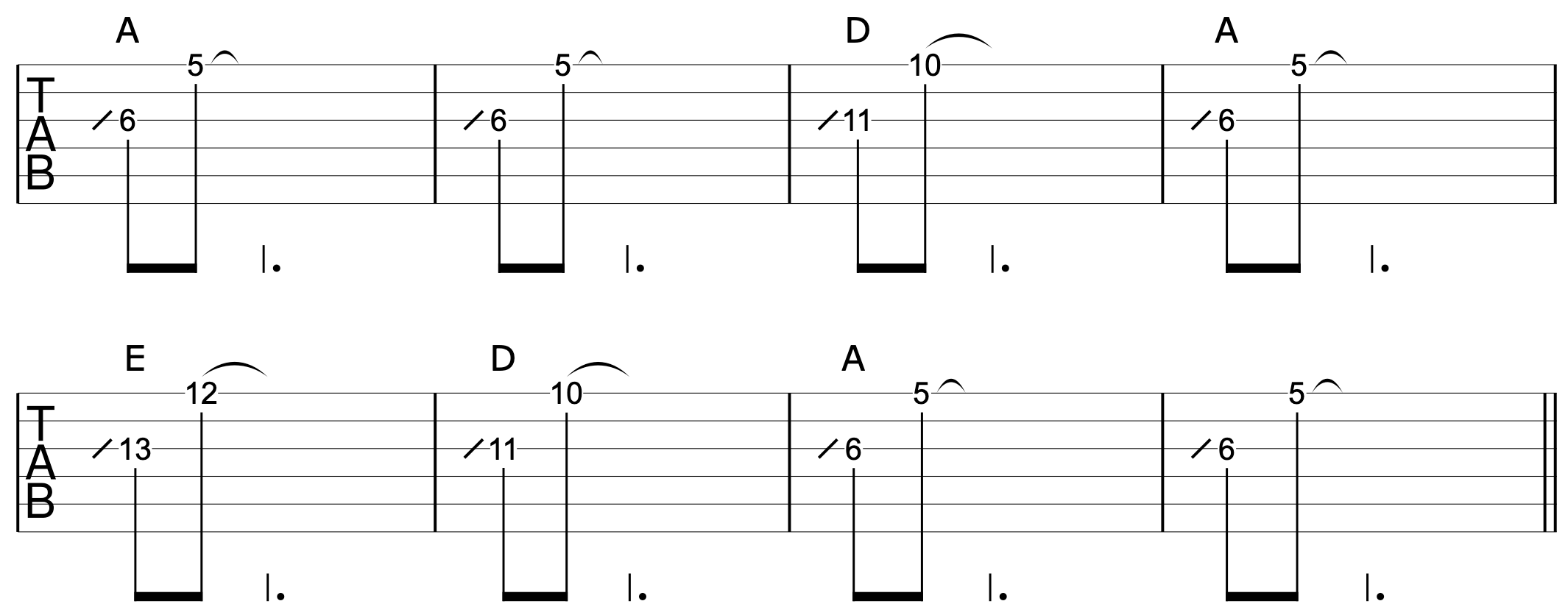
Because these shapes are compact and movable, they’re a very approachable way to explore more of the fretboard.
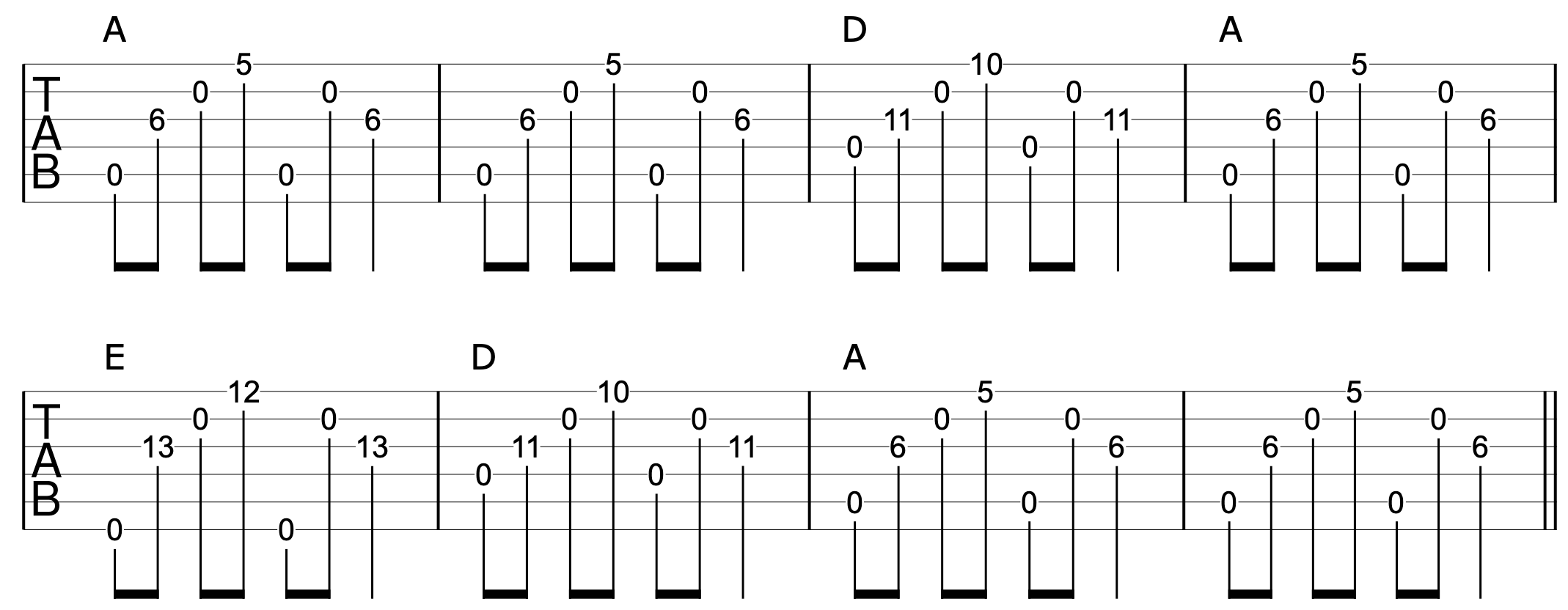
You can also combine 6th harmony with:
- Open string drones
- Picking patterns
- Slides
- Bass notes
That’s where the guitar really starts opening up sonically.
Here is an example using our blues progression again:
5. Use a Capo Creatively
A lot of players use a capo simply to avoid bar chords.
But it’s also one of the best creative tools for changing the sound of your guitar playing.
You can take the same chord progression and move it into different capo positions while using different chord shapes.
The key stays the same.
But the sound changes dramatically.
Different chord shapes create:
- Different voicings
- Different open-string sounds
- Different textures
- Different emotional qualities
For example, playing a progression with G shapes at the second fret, like so:

Sounds very different from playing it with D shapes at the seventh fret:

Even though the key hasn’t changed.
This is one of the easiest ways to move chords up neck positions while discovering completely new sounds.
Watch the video above for more examples and detailed breakdowns of this approach.
Why These Ideas Help Your Guitar Playing Sound More Musical
The goal here isn’t simply to “use more of the fretboard.”
It’s about creating variation.
Different areas of the guitar naturally produce different textures, colours, and emotional qualities.
When you stay entirely in the open position, your playing can start feeling boxed in.
But once you begin:
- Moving shapes
- Using drones
- Exploring 6th harmony
- Changing capo positions
- Playing across different areas of the fretboard
…the guitar suddenly starts feeling much bigger and more expressive.
And the nice thing is, you don’t need complicated theory to get there.
Small musical changes often create the biggest difference.
Frequently Asked Questions
How do I get better at playing higher up the guitar neck?
Start by moving familiar chord shapes up the neck rather than learning completely new approaches immediately. Using open strings, simple melodies, and capo positions also helps you become more comfortable outside the open position.
Why does my guitar playing sound repetitive?
A lot of the time, it’s because everything is happening in the same position on the guitar. Exploring different fretboard areas naturally creates new textures and sounds.
Do I need to learn music theory to play up the fretboard?
No. A basic understanding can help later, but you can start moving around the neck musically just by using shapes, patterns, and your ears.
Are bar chords necessary for playing up the neck?
Not always. You can often use partial bar chord forms while allowing open strings to ring through.
Does using a capo help with fretboard understanding?
Yes. A capo helps you hear how different chord shapes create different sounds in the same key, which is a great way to explore the fretboard musically.
Other Lessons You Might Like
Explore these related lessons to continue building your guitar skills:
How to Play 6th Harmony on Guitar
Learn how 6th harmony works in a simple, musical way and how to use it to create expressive lines higher up the neck.
Guitar Capo Explained
A practical guide to understanding how a capo works and why it can completely change the sound of your playing.
How to Use a Guitar Capo
Explore creative ways to use a capo for richer chord voicings, easier playing, and more musical variety.
The Open Guitar Chord Trick
Strengthen your foundation with open chords and learn how to make them sound fuller and more expressive.
Create Music With One Chord
Discover how to make even a single chord sound amazing using rhythm, movement, drones, and texture.
 Simple Ways to Create Stunning Fingerpicking Music
Learn how to turn simple chord ideas into rich, flowing fingerpicking progressions without complicated theory or difficult chord shapes.